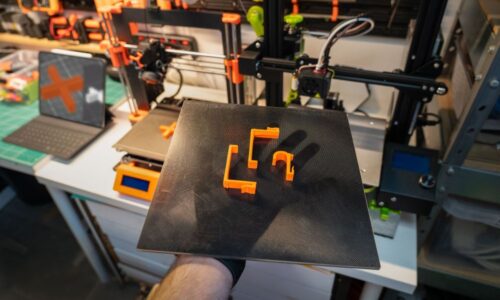
If you have ever wondered how a computer can turn a digital design into a real object that you can hold in your hands, you are about to find out. 3D printing has transformed the way people create prototypes, tools, replacement parts, models, artwork and even functional products. The exciting part is that you no longer need to work in a professional engineering workshop to take advantage of this technology. With the right knowledge, anyone can learn to design, print and improve their own creations.
This course is designed to take you from the basics of 3D printing through to more advanced techniques. If you have never used a 3D printer before, don’t worry. We will start with the fundamentals, including how 3D printers work, how to choose a printer, how to prepare your first print and how to understand the settings that control the finished result.
As you progress, you will learn about different printing materials, slicing, supports, calibration, troubleshooting and designing your own parts. We will also explore more advanced topics such as high-speed printing, multi-material printing, advanced slicer settings and different types of 3D-printing technology.
You do not need to understand engineering, programming or computer-aided design before starting this course. The goal is to explain complicated ideas in straightforward language and show you how they apply to real-world printing.
Most importantly, this course is about learning by doing. You will discover that failed prints are not necessarily failures—they are opportunities to understand what went wrong and improve your next attempt.
By the end of the course, you should have the knowledge and confidence to use a 3D printer, solve common problems, create better parts and continue developing your skills as a 3D-printing enthusiast, designer or professional.
Curriculum
- 1 Section
- 10 Lessons
- Lifetime
Instructor